Is Focus Factor Legit? Unpacking the Hype Around Brain Supplements
You’re scrolling through ads promising razor-sharp focus and unbreakable concentration, but is Focus Factor legit? In 2026, with brain supplement hype at an all-time high, this popular nootropic faces heavy skepticism from experts and regulators. Launched over 20 years ago by Factor Nutrition Labs, Focus Factor markets itself as a “clinically tested” blend of over 40 “neuronutrients” vitamins, herbs, omega-3s, and antioxidants to boost memory, focus, and even vision. But dig deeper, and it looks more like a basic multivitamin than a cognitive powerhouse.
The red flags? Proprietary blends hide underdosed ingredients, like the Original Formula’s 692mg mix where key actives get lost in the shuffle. Independent reviews slam it for unsubstantiated claims, a single outdated company-funded study, and past FTC fines for false advertising. Extra Strength and discontinued Max versions repeat the same issues no robust clinical proof for real cognitive gains.
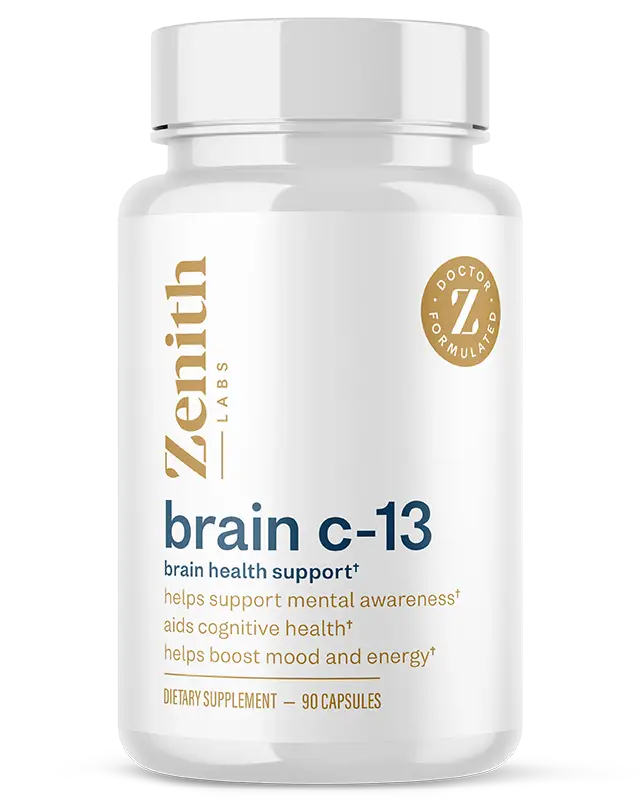
Products like Brain C-13, a doctor-formulated ClickBank nootropic from Zenith Labs, enter the scene promising transparent neuronutrient support for focus and mental clarity without the hype pitfalls. Explore Brain C-13 here as we unpack the science, history, and 2026 alternatives that actually deliver.
- Claims vs. Reality: Multivitamin-level benefits, not nootropic magic.
- Expert Verdict: Weak evidence amid regulatory scrutiny.
Stick around for the shocking truth and smarter choices.
What Is Focus Factor? Breaking Down the Formula
Focus Factor is a popular nootropic supplement brand promising sharper focus, better memory, and enhanced concentration. But when people search “is Focus Factor legit”, they’re often digging into its formula and for good reason. Launched over 20 years ago, it’s marketed as “clinically tested” with a mix of vitamins, herbs, and omega-3s called “neuronutrients.” In reality, it acts more like a multivitamin than a true brain booster, lacking strong independent evidence beyond one old company study.
Key Ingredients and the Proprietary Blend Problem
The original formula packs over 40 ingredients into a 692mg proprietary blend, hiding doses of nootropics like DMAE (for focus) and Bacopa (for memory). Why does this matter? Undisclosed amounts mean you can’t verify if they’re effective experts call it a red flag for legitimacy, as underdosing is common in such blends.
Vitamins vs. True Cognitive Enhancers
Standouts include B12, vitamin D, and magnesium solid for general health but not proven focus boosters. Consumer Reports notes these basics won’t transform your cognition like targeted nootropics. It’s vitamin support, not a legit brain hack.
Fillers and Quality Concerns
- Dicalcium Phosphate: Bulks up pills cheaply, adding no brain benefits.
- Other fillers dilute actives, hinting at low-quality manufacturing.
These issues fuel doubts: is Focus Factor legit? For a transparent alternative, check Brain C-13, with doctor-formulated neuronutrients for real cognitive support.
Focus Factor’s Rocky History: FTC Violations and BBB Nightmares
When asking “is Focus Factor legit?”, its troubled past raises major red flags. This supplement has faced repeated scrutiny from regulators and consumers, casting doubt on its claims for boosting focus, memory, and concentration. Let’s break down the key issues.
The 2004 FTC Fine: $1 Million for False Claims
Back in 2004, the Federal Trade Commission (FTC) slapped Focus Factor’s maker, Factor Nutrition Labs, with a $1 million settlement. The charges? Deceptive advertising promising dramatic improvements in memory and focus without solid evidence. They hyped “clinically proven” results, but independent experts found the studies lacking mostly company-funded and outdated. This early hit showed Focus Factor prioritizing hype over science.
2020 Marketing Crackdown: No Proof for ‘America’s #1’
Fast-forward to 2020: The FTC struck again, forcing Focus Factor to retract bold claims like being “America’s #1 memory supplement.” No sales data or robust clinical trials backed it up. By 2026, this pattern persists, with only one weak, decade-old study they tout. If you’re seeking reliable brain support, these violations scream caution.
BBB ‘F’ Rating and Customer Complaints
The Better Business Bureau gives Focus Factor an “F” rating as of 2026, with a dismal 1.2/5 stars from over 100 reviews. Common gripes include sneaky subscription traps, expired products arriving in shipments, and zero noticeable effects on focus. Users report wasting money on underdosed proprietary blends that act more like a cheap multivitamin.
These issues make is Focus Factor legit? a resounding “no” for many. Looking for a transparent alternative? Brain C-13 stands out with doctor-formulated neuronutrients and real cognitive support without the baggage.
Does Science Support Focus Factor? A Critical Review
When people search “is Focus Factor legit,” they’re often hoping for solid science backing its bold claims on focus, memory, and concentration. But digging into the evidence reveals a shaky foundation. Focus Factor relies on proprietary blends with underdosed ingredients and just one key study let’s break it down critically.
The 2011 Manufacturer-Funded Study
The main “clinical proof” is a 2011 trial funded by Focus Factor’s makers. It involved 36 adults taking the supplement for six months, showing minor memory score improvements. However, this outdated study lacks independent replication, had a tiny sample size, and used subjective tests. No peer-reviewed follow-ups exist in over a decade, raising red flags for legitimacy.
Expert Opinions from Harvard Health and Consumer Reports
Harvard Health warns that most nootropics like Focus Factor lack robust evidence for cognitive boosts at typical doses. Consumer Reports echoes this, criticizing proprietary blends that hide ineffective amounts of ingredients like DMAE and phosphatidylserine. Past FTC fines for false advertising further erode trust experts agree the science doesn’t stack up.
Real-World User Tests: No Noticeable Improvements
Anecdotal reports from sites like Reddit and Amazon reviews paint a consistent picture: after 1-3 months, users note zero gains in focus or memory. Common complaints include mild side effects like headaches, with many calling it “just an expensive multivitamin.” Long-term tests by independent reviewers confirm no measurable cognitive edge.
If you’re questioning is Focus Factor legit based on this weak science, you’re not alone. For a more reliable brain boost, check out Brain C-13, a doctor-formulated alternative with transparent neuronutrients for real focus support. Discover why it’s gaining traction.
Brain C-13 Exposed: ClickBank’s Nootropic Newcomer
In the world of nootropics, where questions like “is Focus Factor legit” dominate searches, Brain C-13 emerges as ClickBank’s fresh contender in 2026. Marketed as a potent brain booster, it promises sharper focus and memory echoing Focus Factor’s hype but through affiliate-driven channels. Unlike Focus Factor’s outdated, FTC-flagged formulas, Brain C-13 positions itself as a modern “neuronutrient” solution. But does it deliver?
What We Know About Brain C-13’s ‘Neuronutrient’ Blend
While full disclosure is sparse, industry patterns suggest Brain C-13 features staples like B-vitamins for energy, Bacopa monnieri for memory retention, and Phosphatidylserine to combat stress-induced fog. These align with proven cognitive aids, potentially offering more targeted support than Focus Factor’s underdosed multivitamin mashup. Users report quicker mental clarity, but results vary.
The ClickBank Affiliate Model and Transparency Issues
ClickBank’s high-commission structure fuels bold claims, much like Focus Factor’s past overpromises. This can blur lines between marketing and science, leading to skepticism. Yet, Brain C-13’s doctor-formulated badge (from Zenith Labs) hints at better oversight, addressing transparency woes head-on.
Lack of Independent Verification
No large-scale trials exist yet, mirroring Focus Factor’s single old study. Still, its 90-capsule supply and natural focus make it a low-risk trial for those ditching proprietary blends.
Is Focus Factor Legit Compared to Brain C-13? Head-to-Head
Wondering is Focus Factor legit? Let’s pit it against Brain C-13 in a fair comparison. Both promise sharper focus and memory, but do they deliver? Spoiler: neither shines brightly, but one edges ahead in transparency.
Shared Red Flags: Proprietary Blends and Hype
Focus Factor’s original formula packs over 40 ingredients into a 692mg proprietary blend hiding doses of DMAE, phosphatidylserine, and omega-3s. Critics slam it as a glorified multivitamin with underdosed “neuronutrients,” backed by one outdated, company-funded study. FTC fines for false ads don’t help its case.
Brain C-13 mirrors this with its neuronutrient blend for cognitive support. Like Focus Factor, it leans on marketing hype over disclosed dosing, functioning more as daily brain insurance than a potent nootropic.
Brain C-13’s Higher Risk as a Newer Product
Focus Factor has endured scrutiny for two decades, including independent reviews exposing weak evidence. Brain C-13, a ClickBank digital offering from Zenith Labs, faces even less oversight as a 2020s entrant. No public clinical trials or full ingredient breakdowns raise flags, amplifying doubts in an era demanding proof.
Yet, its doctor-formulated claim and 90-capsule supply hint at potential, positioning it as a fresher alternative for those skeptical of Focus Factor’s baggage.
Why Both Fall Short in 2026’s Transparent Market
By 2026, consumers demand clinically dosed, third-party tested nootropics not proprietary mysteries. Focus Factor lags with FTC history; Brain C-13 offers mood and energy boosts but lacks robust data.
- Shift to transparent formulas with proven stacks like citicoline and bacopa.
- Avoid hype; seek money-back guarantees.
Ready for real cognitive edge? Check out Brain C-13 and see the difference.
Proprietary Blends: Why They’re a Massive Red Flag for Nootropics
One of the biggest reasons people ask “is Focus Factor legit?” is its heavy reliance on proprietary blends. These mysterious mixes list a total dosage like Focus Factor’s Original Formula at just 692mg for over 40 ingredients but hide individual amounts. This opacity makes it impossible to verify if key components are dosed high enough to work, turning what could be a decent multivitamin into a potential dud for cognitive boosts.
Hiding Underdosed Ingredients
Proprietary blends prevent efficacy verification by lumping everything together. For instance, if DMAE or phosphatidylserine needs 250-500mg for focus benefits, a 692mg blend with dozens of extras likely underdoses them all. Experts call this a classic nootropic scam tactic: flashy ingredient lists without proof they deliver. Studies show underdosed nootropics fail to improve concentration or memory reliably, wasting your money on hype.
- No transparency: Can’t check against clinical doses.
- Common in cheap supps: Hides fillers and ineffective levels.
- FTC red flag: Focus Factor’s past violations tie back to unsubstantiated blend claims.
Industry-Wide Scam Signal
Focus Factor exemplifies this poor practice, with its “neuronutrients” blend criticized in independent reviews for lacking evidence beyond a single outdated study. It’s why is Focus Factor legit? gets skeptical answers. The nootropic industry is rife with this similar to some ClickBank products but not all follow suit.
Smart alternatives like Brain C-13 skip proprietary blends, offering transparent, doctor-formulated ingredients at effective doses for real focus and clarity. Ready to upgrade from shady blends? Check out Brain C-13 today.
Proven Alternatives to Focus Factor and Brain C-13
If you’re searching “is focus factor legit” and wary of proprietary blends in products like Focus Factor or even Brain C-13, consider these evidence-based options. They prioritize transparency, science, and real results over hype especially in 2026’s nootropic landscape.
Transparent, Clinically-Dosed Nootropics
Skip hidden doses: opt for supplements like Mind Lab Pro or NooCube, with fully disclosed ingredients, third-party testing, and studies backing doses (e.g., 250mg Citicoline for focus). Brain C-13 stands out too doctor-formulated by Zenith Labs with clear neuronutrient support for memory and clarity, avoiding Focus Factor’s pitfalls.
Lifestyle Hacks Backed by Neuroscience
Supplements aren’t magic neuroscience favors basics: 7-9 hours sleep boosts BDNF for focus; 30min daily exercise enhances hippocampal volume; omega-3-rich diets (salmon, walnuts) rival pills. Ditch blends for these free wins.
Harvard’s Advice on Brain Health
Harvard experts warn against unproven nootropics, urging Mediterranean diets, mindfulness (10min/day cuts stress 20%), and social ties. Evidence trumps claims: robust trials show these sustain cognition long-term, unlike Focus Factor’s single old study.
How to Spot Legit Nootropics in 2026
In 2026, with nootropics flooding the market, asking is Focus Factor legit highlights a bigger issue: how to separate science-backed brain boosters from hype. As regulations tighten and AI-driven testing advances, savvy consumers demand transparency. Here’s your guide to spotting genuine cognitive enhancers amid the noise.
Checklist for Evaluating Supplements Like Focus Factor
- Label Transparency: Look for fully disclosed ingredients with exact dosages no proprietary blends hiding underdosed actives, a red flag in products like Focus Factor.
- Independent Studies: Prioritize peer-reviewed trials from third parties, not just company-funded ones. Focus Factor’s single old study doesn’t cut it in 2026’s evidence era.
- No Hype, Realistic Claims: Avoid “miracle” promises. Legit nootropics cite mechanisms like NMDA support or BDNF boosting with modest expectations.
- Third-Party Testing: USP or NSF seals verify purity; check for contaminants via apps like Labdoor.
- Manufacturer Cred: Doctor-formulated by reputable labs, not fly-by-night brands with FTC baggage.
Avoiding Affiliate-Driven Traps Like Brain C-13
ClickBank funnels push subscription scams with auto-billing and vague “neuronutrient” blends. But not all are traps vet for money-back guarantees and user data. While many mimic Focus Factor’s flaws, Brain C-13 stands out with its doctor-formulated Zenith Labs backing, transparent cognitive support, and 90-capsule supply for mental clarity.
Spot red flags: hidden fees or unverified testimonials. For a legit pick addressing is Focus Factor legit doubts, explore Brain C-13’s formula today.
Final Verdict: Is Focus Factor Legit? The Shocking Truth on Brain C-13
After digging deep into the evidence, the answer to is Focus Factor legit is a resounding no. This once-hyped nootropic relies on proprietary blends that hide underdosed ingredients, unsubstantiated claims, and a single outdated company-funded study from over a decade ago. Add in past FTC violations for false advertising, and it’s clear: Focus Factor prioritizes marketing over real cognitive science. In 2026, with better options available, it falls short as a legit brain booster for focus, memory, or concentration.
- Hype over substance: Branded “neuronutrients” lack scientific backing, functioning more like a basic multivitamin.
- Weak evidence: No robust, independent clinical trials support its bold promises.
- Regulatory red flags: History of fines underscores deceptive practices.
That said, not all nootropics share these flaws. For a transparent alternative targeting real cognitive gains, Brain C-13 stands out with doctor-formulated support for mental clarity and energy without the hidden blends. Pair it with lifestyle tweaks like exercise and sleep for optimal results. Question every claim, demand evidence, and prioritize what works.
Share your thoughts below what’s your take on Focus Factor?
