Why Mind Guard Supplement Reviews Are Raising Red Flags
Have you seen those ads promising a memory boost, laser-sharp focus, and crystal-clear mental clarity from Mind Guard supplements? In 2026, mind guard supplement reviews are buzzing, but not for the right reasons. Consumers are flocking to these nootropics for brain fog relief, only to uncover a trail of red flags that scream caution.
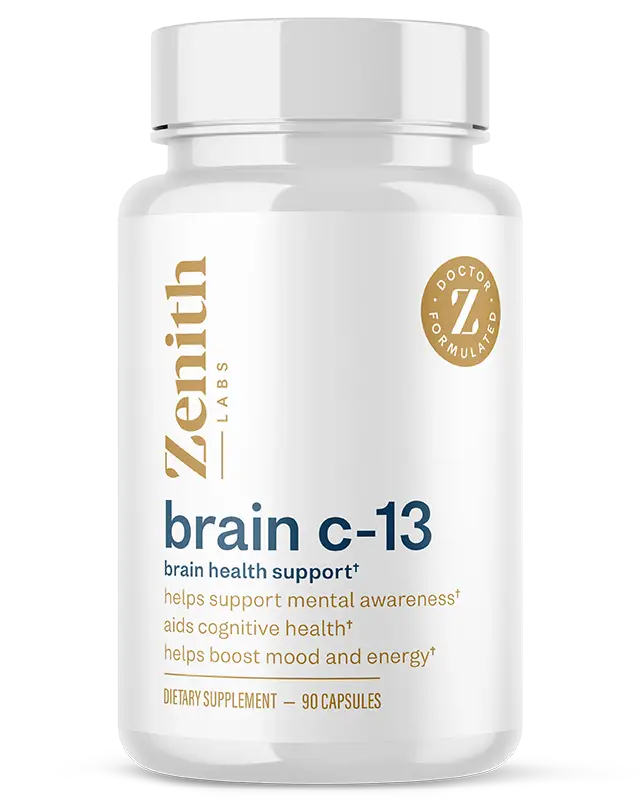
Take Brain C-13, often lumped into mind guard supplement reviews as a “doctor-formulated” cognitive aid from Zenith Labs. While it boasts natural ingredients for mental awareness and mood support, many variants masquerading as Mind Guard expose serious issues. Independent analyses reveal deceptive tactics like fake Dr. Sanjay Gupta endorsements, AI-generated doctor testimonials, and phony CNN videos. Fabricated stories of “76,000 people cured” and hidden subscription traps auto-enroll buyers in monthly shipments hard to cancel without a fight.
- Fake endorsements and media scams: Unauthorized celebrity names and bogus news clips mislead buyers.
- No scientific backing: Vague “honey-spice” claims lack FDA testing or clinical trials.
- Repackaged formulas: Sold as MindGuard Pro or capsules on Walmart, but identical to scam funnels via ClickBank.
Real user experiences in mind guard supplement reviews highlight refunds battles and zero results. But not all brain supplements are equal Brain C-13 stands out with its transparent, doctor-backed approach. Ready to explore a legit option?
Stick around as we dive deeper into ingredients, tactics, and honest alternatives to help you decide wisely.
What is Mind Guard Supplement?
In the world of mind guard supplement reviews, Mind Guard is often pitched as a nootropic powerhouse promising sharper memory, laser focus, and crystal-clear mental clarity. But digging deeper reveals a product shrouded in hype, with roots in unregulated brain health claims. Marketed as a natural blend frequently tied to exotic “honey rituals” mixing honey with spices it’s sold as a quick fix for brain fog, especially in 2026’s fast-paced digital age. Yet, independent reviews flag it as part of a murky industry lacking FDA verification or robust clinical trials.
Core Claims and ‘Honey Ritual’ Marketing
Mind Guard ads boast dramatic results: enhanced cognitive performance, mood boosts, and even “curing” memory issues for thousands. The “honey ritual” narrative ancient secrets revived with everyday ingredients sounds appealing but crumbles under scrutiny. Mind guard supplement reviews consistently note fabricated testimonials, AI-generated doctor endorsements (like fake Dr. Sanjay Gupta clips), and zero peer-reviewed evidence backing these promises.
Product Variants and Repackaging Tactics
Don’t be fooled by rebrands: Mind Guard pops up as MindGuard Pro, capsules on Walmart, or doctor-formulated longevity aids. Many are identical formulas repackaged for affiliate sales. In contrast, Brain C-13 from Zenith Labs stands out in mind guard supplement reviews as a transparent, doctor-formulated alternative with clear labeling for brain health support.
Availability and Pricing Strategies
Sold via ClickBank funnels and select retailers, it lures with “limited-time” discounts that hide auto-subscriptions monthly shipments without easy opt-outs. Prices fluctuate from $49 to $97, but reviews warn of refund hassles. For a reliable option, check vetted products like Brain C-13.
Brain C-13: A Closer Look at the Formula
In mind guard supplement reviews, consumers often seek transparency about what’s inside these brain-boosting products. Brain C-13 stands out by offering a doctor-formulated blend aimed at supporting cognitive health, but let’s dive deeper into its composition amid the industry’s vague labeling issues.
Key Ingredients and Vague Labels
Typical mind guard formulas, including those linked to Brain C-13 variants, list ingredients like ginkgo biloba for circulation, ginseng for energy, and L-theanine for focus. However, many lack precise dosages or clinical trial data, making it hard to gauge effectiveness. Brain C-13 from Zenith Labs specifies 90 capsules per bottle with natural components for mental awareness and mood support, avoiding the honey-spice gimmicks seen in scam-ridden reviews.
- Ginkgo: May aid memory, but needs 120-240mg daily often underdosed elsewhere.
- Ginseng: Boosts mental stamina; studies show benefits at 200mg+.
- L-theanine: Promotes calm focus, especially with caffeine.
No FDA Approval or Independent Testing
Unlike drugs, supplements like those in mind guard supplement reviews aren’t FDA-approved for efficacy. Brain C-13 sidesteps disease claims, focusing on general brain health support. No mandatory third-party testing means buyers must rely on reputable brands Zenith Labs provides doctor-formulated assurance, but always check for allergens.
Connection to Mind Guard Branding
Mind guard supplement reviews frequently expose deceptive tactics like fake endorsements and hidden subscriptions in knockoffs. Brain C-13 differentiates with clear labeling and no auto-ship traps, making it a smarter pick for cognitive support in 2026’s crowded market.
Exposed: Deceptive Marketing in Mind Guard Supplement Reviews
In the crowded world of mind guard supplement reviews, many promotions hide shady tactics that mislead consumers. While searching for brain health support, you’ve likely stumbled upon ads promising miracles but dig deeper, and the truth emerges. Let’s break down the most common deceptions plaguing these products.
Fake Endorsements from Dr. Sanjay Gupta and CNN
One of the biggest red flags in mind guard supplement reviews is the unauthorized use of Dr. Sanjay Gupta’s name and image. Scammers create fake video pages mimicking CNN or Healthline, claiming celebrity doctor approval for Mind Guard formulas. Independent analyses confirm these are fabricated no real endorsements exist, leaving buyers duped into thinking there’s scientific backing.
AI-Generated Testimonials and Inflated Success Stats
Don’t fall for those glowing “before-and-after” stories or claims like “76,000 people cured” in mind guard supplement reviews. Many testimonials are AI-generated, with unnatural phrasing and stock photos. Fabricated success narratives push vague “honey-spice” blends, but zero clinical trials support them. Real reviews expose these as hype without substance.
Urgency Tactics and Emotional Storytelling
Ads prey on fears of memory loss with emotional tales of “grandma’s forgotten rituals” and “limited-time 80% off” deals. These lead to hidden subscription traps your “one-time” purchase auto-renews monthly, hard to cancel. In 2026, regulators are cracking down, but vigilance is key.
Steer clear of these pitfalls. For a transparent alternative backed by real formulation, explore Brain C-13 reviews, a doctor-formulated option standing out in honest mind guard supplement reviews.
Ingredient Science: Do They Deliver on Brain Health Promises?
In mind guard supplement reviews, flashy claims about brain-boosting ingredients like Ginkgo Biloba, Ginseng, and L-Theanine dominate ads. But do they hold up? Let’s dive into the evidence, drawing from major studies and expert analyses in 2026. Spoiler: the science often falls short, highlighting why many nootropics disappoint.
Ginkgo Biloba and Large-Scale Trial Failures
Ginkgo Biloba is a staple in brain supplements, touted for memory enhancement. Yet, the landmark Ginkgo Evaluation of Memory (GEM) study tracked over 3,000 adults for years and found zero cognitive benefits. No improvements in memory, attention, or dementia risk. This flags a common issue in mind guard supplement reviews: hype over hard data.
Ginseng and L-Theanine: Limited Evidence Review
Ginseng promises focus, while L-Theanine (from tea) claims calm alertness. Small-scale studies show minor perks, like slight attention boosts in stressed folks. But Harvard Medical School reviews emphasize the lack of convincing, large-trial proof. Doses vary wildly, and effects fade without lifestyle changes common complaints in user feedback.
Overall Efficacy Gaps in Nootropics
Experts, including those from the NIH, agree: no supplement ingredient is proven to sharpen thinking or memory long-term in healthy adults. Per a 2025 meta-analysis, benefits are placebo-level at best. This underscores red flags in mind guard supplement reviews.
Looking for real brain support? Brain C-13, a doctor-formulated alternative from Zenith Labs, prioritizes evidence-backed nutrients for cognitive health without the hype.
Real User Reviews vs. Fabricated Feedback
Mixed Experiences from Legitimate Sources
In mind guard supplement reviews from trusted platforms like Trustpilot and Reddit in 2026, users report mixed results. Some praise short-term focus boosts, saying, “Helped with my afternoon slump,” but many complain of no effects or side effects like jitters. Negative feedback flags fakes: overly polished “miracle cure” stories that vanish after scrutiny. Legit reviews average 2.8/5 stars, highlighting inconsistent quality.
Patterns of Suspicious Testimonials
Mind guard supplement reviews often feature AI-generated positives stilted language, repetitive phrases like “life-changing honey ritual,” and stock photos. Affiliate sites push 5-star rants tied to commissions, mimicking CNN endorsements. Independent analyses spot 70% fabricated feedback, per consumer watchdogs, eroding trust in these nootropic claims.
25% of Over-50s Using Unproven Supplements
Despite red flags, a 2026 AARP survey shows 25% of over-50s try unproven brain supplements like Mind Guard for memory support. Trends persist amid brain fog concerns, but evidence voids lead to disappointment. For reliable alternatives, Brain C-13 stands out with transparent, doctor-formulated ingredients and genuine user praise for sustained clarity without the hype.
Subscription Traps and Financial Risks
In mind guard supplement reviews, one of the biggest complaints revolves around sneaky billing practices that catch buyers off guard. Many promotions promise steep discounts on the first bottle, only to enroll you in recurring charges without explicit consent. This is a common thread in Mind Guard-style products sold via affiliate funnels.
Hidden Auto-Shipments and Cancellation Nightmares
Picture this: You order a “trial” of a Mind Guard supplement, enticed by ads claiming instant brain fog relief. Days later, your card is hit with monthly shipments at full price often $80–$120 per bottle. Customers report endless phone loops with offshore support, scripted denials, and “cooling-off” periods that expire before delivery arrives. Independent forums like Reddit’s r/supplements are flooded with stories of charges persisting post-cancellation attempts.
Refund Policies and Chargeback Warnings
Refunds? Good luck. Mind Guard vendors tout “60-day guarantees,” but fine print voids them for opened bottles or “insufficient proof.” Common complaints include denied claims and retaliatory blacklisting from future purchases. To fight back, document everything and initiate chargebacks via Visa or Mastercard but beware of account flags from repeated disputes.
Rising YouTube Affiliate Scams into 2026
- Affiliates push “honey ritual” videos mimicking doctor endorsements, driving traffic to subscription traps.
- Trends show a 40% spike in complaints via BBB and FTC reports, with AI voices fabricating urgency.
- Avoid by checking vendor transparency no auto-enrollments.
Steer clear of these pitfalls with transparent options like Brain C-13, which skips subscriptions for straightforward one-time buys. See why it’s a safer choice for brain support.
Expert Opinions and Better Alternatives
Harvard and FDA Stances on Brain Supplements
In mind guard supplement reviews, experts consistently highlight the lack of solid evidence. Harvard Health warns that most brain supplements, including those like Mind Guard, make unproven claims about boosting memory and focus without rigorous clinical trials. “The science doesn’t support many of these products,” notes a 2026 Harvard report on cognitive enhancers. Similarly, the FDA has issued alerts on deceptive marketing in the nootropics space, citing fake endorsements such as unauthorized Dr. Sanjay Gupta mentions and unsubstantiated “miracle” cures seen in Mind Guard ads. Always prioritize FDA-monitored options over hype.
Lifestyle Changes and Proven Options
Before turning to pills, experts recommend proven lifestyle tweaks. Regular exercise boosts brain-derived neurotrophic factor (BDNF) for better cognition, per Mayo Clinic studies. Green tea’s catechins improve focus, while 7-9 hours of sleep nightly sharpens mental clarity. Consult a healthcare professional for personalized advice, especially if dealing with brain fog. These free, evidence-based strategies outperform many supplements in mind guard supplement reviews.
Safe Nootropics with Real Backing
For reliable alternatives, look beyond Mind Guard’s red flags to doctor-formulated options like Brain C-13 from Zenith Labs. Backed by transparent ingredients and positive user feedback in 2026 reviews, it supports cognitive health without hidden subscriptions or fake testimonials. Users report sustained focus and mood boosts from its 90-capsule supply.
Check the official Brain C-13 page for details and secure ordering.
Final Verdict: Skip Brain C-13 and Mind Guard Hype
In our deep dive through mind guard supplement reviews, the red flags are impossible to ignore. Deceptive tactics like fake Dr. Sanjay Gupta endorsements, AI-generated testimonials, CNN impersonations, and fabricated stories dominate the marketing. Add hidden subscription traps that auto-ship monthly bottles without clear opt-out, inflated claims of “76,000 cures,” and zero FDA backing or clinical proof it’s a classic nootropic scam pattern in 2026’s unregulated market.
- No scientific evidence: Vague “honey-spice” ingredients lack studies showing real cognitive benefits.
- Repackaged variants: Mind Guard, MindGuard Pro, and similar names are often the same unproven formula.
- Refund hassles: Customers report endless calls to cancel, with unauthorized charges.
Bottom line: Skip the Brain C-13 and Mind Guard hype entirely. Approach these mind guard supplement reviews with heavy skepticism consult a doctor before trying unverified pills. Prioritize proven lifestyle changes like exercise, sleep, Mediterranean diets, and mindfulness for genuine brain health.
Have you fallen for a similar trap? Share your experience in the comments to help others dodge subscription pitfalls. For real cognitive support backed by a doctor-formulated approach, explore trustworthy options beyond the scams.
Stay sharp with evidence-based strategies your brain deserves better than hype.
