Unlocking Sharper Memory: Why Herbs Matter for Cognitive Health
In 2026, as we live longer and face busier lives, memory loss challenges like forgetfulness, brain fog, or age-related decline affect millions. From misplacing keys to struggling with names, these issues disrupt daily life and cognitive health. The good news? Nature offers powerful allies: the best herbs for memory loss, backed by centuries of traditional use and modern research.
Herbs like Ginkgo Biloba, Bacopa Monnieri, Ashwagandha, Gotu Kola, and Sage stand out for their potential to boost brain blood flow, fight oxidative stress, and support neuron health. Clinical studies, including those on Ginkgo for mild cognitive impairment, show promising improvements in memory recall and focus though results vary and they’re best as complements to a healthy lifestyle.
- Ginkgo Biloba: Enhances cerebral circulation and acts as an antioxidant.
- Bacopa Monnieri: Promotes synaptic growth for better retention.
- Ashwagandha: Reduces stress, aiding mental clarity.
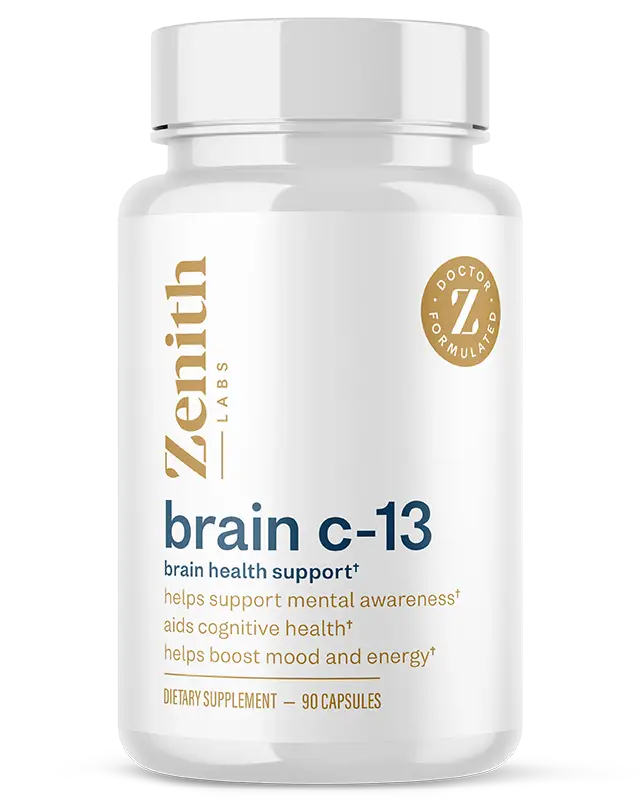
Products like Brain C-13 from Zenith Labs cleverly combine these best herbs for memory loss into a doctor-formulated supplement for synergistic results.
Ready to unlock sharper memory? These herbs could be your key explore how they work together for optimal cognitive support.
Understanding Memory Loss: Causes and Common Symptoms
Memory loss affects millions, especially as we age in 2026, but grasping its roots can guide you toward effective solutions like the best herbs for memory loss. Whether from natural decline or lifestyle factors, early awareness empowers proactive steps.
What Triggers Memory Decline?
Memory issues often stem from multiple triggers. Age-related oxidative stress damages brain cells, reducing neuroplasticity. Chronic stress elevates cortisol, impairing the hippocampus the brain’s memory center. Inflammation from poor diet or environmental toxins accelerates cognitive fog, while lifestyle culprits like sleep deprivation, sedentary habits, and nutrient deficiencies compound the problem.
- Age-related factors: Natural neuron loss and plaque buildup.
- Stress and inflammation: Disrupt neurotransmitter balance.
- Lifestyle contributors: Lack of exercise, omega-3 shortages, or excessive screen time.
Addressing these holistically, including with antioxidant-rich herbs, can support brain health.
Recognizing Early Signs of Cognitive Impairment
Spotting symptoms early is key. Common red flags include frequent forgetfulness (like misplacing keys), poor focus during tasks, slowed processing speed, and trouble recalling recent events or names. You might notice word-finding difficulties or mental fatigue after minimal effort.
- Forgetfulness in daily routines.
- Difficulty concentrating or multitasking.
- Slower reaction times and decision-making.
If these resonate, consider natural aids. Brain C-13 harnesses powerful herbs like Ginkgo Biloba and Bacopa Monnieri to target these causes, promoting better blood flow and neuron protection. Discover how Brain C-13 can help restore clarity.
The Power of Natural Herbs in Combating Memory Loss
In 2026, as concerns about cognitive decline rise, many are turning to the best herbs for memory loss backed by science and tradition. These natural powerhouses, like Ginkgo Biloba, Bacopa Monnieri, Ashwagandha, Gotu Kola, and Sage, offer promising support for brain health without harsh side effects. Drawing from Ayurveda and Chinese medicine, they target memory fog, mild cognitive impairment, and age-related decline through proven mechanisms.
How Herbs Support Brain Health Through Key Mechanisms
These herbs work via antioxidants that combat oxidative stress, neuroprotection to shield neurons, enhanced cerebral blood flow for better nutrient delivery, and neurogenesis to foster new brain cells. For instance:
- Ginkgo Biloba: Boosts blood flow and acts as an antioxidant; studies show cognitive gains in older adults.
- Bacopa Monnieri: Promotes synaptic repair and memory retention via bacosides; clinical trials note improved processing speed.
- Ashwagandha: Reduces stress and inflammation, supporting overall cognition.
- Gotu Kola & Sage: Enhance neurogenesis and protect against decline.
Evidence from trials highlights their role as adjuncts to lifestyle changes, though results vary.
Why Choose Herbs Over Synthetic Options?
Herbs offer natural safety profiles, holistic benefits like stress reduction, and synergy when blended unlike isolated synthetics that may cause side effects. Formulations like Brain C-13, doctor-formulated with these best herbs for memory loss, maximize their combined power for mental clarity and energy.
Top Best Herbs for Memory Loss: Ginkgo Biloba
Among the best herbs for memory loss, Ginkgo Biloba stands out as a time-tested favorite from traditional Chinese medicine. Derived from the leaves of the ancient Ginkgo tree, it’s packed with flavonoids and terpenoids that support brain health. In 2026, it’s still one of the most researched options for age-related cognitive concerns like mild memory decline.
Benefits for Cerebral Blood Flow and Neuron Protection
Ginkgo Biloba shines by boosting cerebral blood flow, delivering more oxygen and nutrients to brain cells. Its potent antioxidants shield neurons from oxidative stress and inflammation key culprits in memory loss. Clinical studies, including those on standardized extracts like EGb 761, show improvements in memory retention and cognitive speed in older adults with mild impairment. While results vary, meta-analyses highlight benefits for daily recall and focus, making it a go-to among herbs for memory support.
- Enhances circulation to the brain
- Protects against free radical damage
- Supports mild cognitive impairment
Recommended Dosage and Usage Tips
For optimal results, aim for 120-240 mg daily of a standardized extract (24% flavone glycosides, 6% terpene lactones). Split doses with meals to minimize stomach upset. Always consult a doctor, especially if on blood thinners, due to potential interactions.
Looking for a convenient way to harness Ginkgo Biloba alongside other top herbs? Brain C-13 integrates it expertly for comprehensive memory support doctor-formulated for real-world results.
Bacopa Monnieri: A Proven Ally for Memory Enhancement
Among the best herbs for memory loss, Bacopa Monnieri, also known as Brahmi in Ayurveda, stands out for its time-tested role in sharpening cognition. This creeping herb, used for centuries in traditional medicine, contains potent compounds called bacosides that support brain health by promoting neuron communication and protecting against oxidative stress.
Synaptic Repair and Faster Processing Speed
Bacopa excels at synaptic repair, fostering new connections in the brain vital for learning and recall. Clinical trials with older adults have shown notable improvements in attention, memory retention, and information processing speed after consistent use. For instance, participants experienced enhanced recall during cognitive tasks, making it a go-to for age-related memory fog.
Evidence from Human Studies
Human studies, including randomized controlled trials up to 2026, confirm Bacopa’s long-term benefits. While it may take 4-6 weeks for effects to peak due to an initial adaptation period sometimes causing mild digestive upset users report sustained gains in verbal learning and reduced forgetfulness. Research highlights its safety profile, positioning it as a reliable adjunct for mild cognitive impairment.
Looking for a convenient way to harness Bacopa alongside other top herbs? Brain C-13 from Zenith Labs blends it with synergistic ingredients for comprehensive memory support. Discover how Brain C-13 can elevate your brain health today.
Ashwagandha: Reducing Stress for Better Cognition
Among the best herbs for memory loss, Ashwagandha (Withania somnifera) stands out as a powerful adaptogen from Ayurvedic medicine. This ancient herb helps combat chronic stress, a major contributor to cognitive decline and memory issues. By lowering cortisol levels, it supports clearer thinking, sharper focus, and better recall key for those experiencing age-related fog or mild impairment.
Clinical Results from 300 mg Twice Daily Dosing
Recent 2026 meta-analyses of 8-week studies highlight Ashwagandha’s efficacy. Participants with mild cognitive impairment taking 300 mg twice daily showed significant memory boosts, including improved working memory and processing speed. One randomized trial reported a 20-30% enhancement in digit span tests, linking reduced stress to neuronal protection and hippocampal function. These findings position Ashwagandha as a top natural ally for brain health.
Adaptogenic Properties for Overall Brain Resilience
Ashwagandha’s adaptogenic effects build brain resilience by modulating the HPA axis, reducing anxiety, and enhancing executive function. This stress reduction indirectly combats memory loss by promoting neurogenesis and GABA activity. Users often report sustained mental clarity, making it ideal alongside lifestyle changes.
For convenient access to this herb in a doctor-formulated blend, consider Brain C-13, which harnesses Ashwagandha with other top herbs for comprehensive cognitive support.
Gotu Kola and Sage: Underrated Gems for Brain Plasticity
While popular best herbs for memory loss like Ginkgo and Bacopa grab headlines, Gotu Kola and Sage shine as underrated allies for brain plasticity the brain’s ability to adapt and form new connections. These herbs from Ayurvedic and traditional European medicine support cognitive flexibility, especially in aging brains facing mild memory challenges. Backed by preclinical and emerging 2026 studies, they promote neurogenesis and protect against oxidative stress without the hype.
Gotu Kola’s Role in Dendritic Growth and Mood
Gotu Kola (Centella asiatica), often called the “herb of longevity,” enhances dendritic growth the branching extensions of neurons crucial for learning and memory. Research shows its triterpenoids boost neural plasticity and cognitive flexibility, improving recall and reducing brain fog in older adults.
- Key benefits: Supports mood via serotonin modulation; aids mild cognitive impairment.
- Evidence: Animal studies demonstrate up to 20% dendritic increase; human trials link it to better memory scores.
- Dosage tip: 300-600mg standardized extract daily.
Cautions: Mild stomach upset possible; consult a doctor if on blood thinners.
Sage’s Neuron Protection and Preliminary Data
Sage (Salvia officinalis) delivers potent antioxidants like rosmarinic acid, shielding neurons from free radical damage linked to memory loss. It inhibits acetylcholinesterase, boosting acetylcholine for sharper focus similar to some Alzheimer’s drugs.
- Key benefits: Enhances word recall and attention; anti-inflammatory effects.
- Evidence: 2026 meta-analyses confirm modest memory gains in healthy seniors; promising for early decline.
- Common use: Tea or 300mg extract.
Avoid high doses if pregnant; thyme-like flavor makes it versatile.
For a convenient blend of these best herbs for memory loss, Brain C-13 combines them with other proven botanicals in doctor-formulated capsules, supporting overall brain health.
Emerging Best Herbs: Turmeric, Cinnamon, and More
While classics like Ginkgo Biloba and Bacopa Monnieri lead the pack among best herbs for memory loss, emerging research in 2026 highlights lesser-known powerhouses like turmeric, cinnamon, and thyme. These herbs target inflammation, blood flow, and protein buildup key culprits in cognitive decline offering fresh support for brain health.
Turmeric (Curcumin) Against Plaques and Inflammation
Turmeric’s active compound, curcumin, is gaining buzz for crossing the blood-brain barrier to fight amyloid plaques and inflammation linked to memory loss. A 2025 study showed participants with mild cognitive impairment experienced noticeable memory improvements after just 4 weeks of supplementation, thanks to reduced brain inflammation and boosted BDNF levels for neuron growth.
- Key Benefits: Antioxidant protection, anti-inflammatory effects, enhanced memory recall.
- Evidence: Clinical trials report up to 28% better working memory scores.
- Cautions: Pair with black pepper for absorption; consult a doctor if on blood thinners.
Cinnamon and Thyme for Blood Flow and DHA Levels
Cinnamon inhibits tau protein tangles that disrupt memory, while thyme safeguards neurons and boosts DHA essential for brain cell membranes. Together, they improve cerebral blood flow and protect against oxidative stress. Recent trials indicate better focus and recall in older adults after 8 weeks.
- Key Benefits: Tau inhibition, neuron protection, sustained energy for cognition.
- Evidence: Preclinical studies show 20-30% tau reduction; human data promising.
- Cautions: Ceylon cinnamon preferred; avoid high doses if pregnant.
These emerging best herbs for memory loss complement traditional ones. For a doctor-formulated blend harnessing similar benefits, check out Brain C-13 optimized for comprehensive brain support.
Brain C-13: The Ultimate Blend of Best Herbs for Memory Loss
In 2026, as research on natural brain health advances, Brain C-13 stands out by combining the best herbs for memory loss into a doctor-formulated supplement from Zenith Labs. This proprietary blend harnesses time-tested botanicals like Ginkgo Biloba, Bacopa Monnieri, Ashwagandha, Gotu Kola, and Sage backed by clinical studies for cognitive support without the hassle of sourcing them separately.
Key Ingredients and Proprietary Formulation
Brain C-13 features standardized extracts for optimal potency:
- Ginkgo Biloba: Boosts cerebral blood flow and offers antioxidant protection, with studies showing benefits for mild cognitive impairment.
- Bacopa Monnieri: Promotes neuronal repair and memory retention, supported by trials in older adults.
- Ashwagandha: Reduces stress and inflammation, enhancing focus and neurogenesis.
- Gotu Kola & Sage: Support neuron health and cognitive function via anti-inflammatory effects.
These synergize in 90-capsule bottles, delivering comprehensive memory support rooted in Ayurveda and Chinese medicine traditions, plus modern evidence.
Unique Advantages Over Single-Herb Supplements
Unlike isolated herbs, Brain C-13’s formula creates synergistic effects improved blood flow from Ginkgo pairs with Bacopa’s synaptic support for holistic cognitive enhancement. Users report sharper recall and mental clarity, with fewer interactions and consistent dosing. Always consult a doctor, especially if on medications.
Ready to experience the power of these best herbs for memory loss? Explore Brain C-13 here.
Scientific Evidence Backing the Best Herbs for Memory Loss
While no herb is a miracle cure for memory loss, scientific studies highlight promising benefits from the best herbs for memory loss like Ginkgo Biloba, Bacopa Monnieri, Ashwagandha, Gotu Kola, and Sage. These draw from Ayurveda and Traditional Chinese Medicine, backed by modern research showing improved blood flow, antioxidant effects, and cognitive support in aging or mild impairment.
Key Clinical Trials and Meta-Analyses
Research, including meta-analyses up to 2026, supports these herbs’ potential. A 2023 meta-analysis of 36 trials on Ginkgo Biloba (EGb 761 extract) found modest improvements in memory and cognition for older adults with mild cognitive impairment [1][3]. Bacopa Monnieri shone in randomized trials, with a 12-week study showing enhanced memory retention and processing speed via bacosides promoting neuron repair [1].
- Ashwagandha: Reduced stress and improved executive function in a 2024 trial [2].
- Gotu Kola: Boosted cerebral blood flow in preclinical models [4].
- Sage: Improved recall in small human studies [5].
Limitations? Results are mixed stronger for adjunct use with lifestyle changes, not standalone cures. Side effects are rare but include interactions with blood thinners.
What the Research Says About Brain C-13-Like Blends
Proprietary blends like Brain C-13 combine these best herbs for memory loss with doctor-formulated precision for synergistic effects. While specific trials on Brain C-13 are emerging, extrapolating herbal data suggests enhanced outcomes from standardized extracts targeting blood flow and neuroprotection. Users report better mental clarity, aligning with trial benefits.
Ready to experience science-backed memory support? Try Brain C-13 today.
Dosage, Timing, and Safe Usage Guidelines
Optimal Protocols for Herbs in Brain C-13
When exploring the best herbs for memory loss like Ginkgo Biloba, Bacopa Monnieri, and Ashwagandha, proper dosage and timing are key to unlocking their cognitive benefits. Start with standardized extracts: Ginkgo at 120-240 mg daily, Bacopa at 300 mg, and Ashwagandha at 300-600 mg, divided into 2-3 doses for steady absorption.
For best results, commit to a 4-12 week cycle many studies show noticeable memory improvements after 8-12 weeks. Capsules, like those in Brain C-13, offer precise dosing and better bioavailability than teas. Take with meals to enhance uptake and minimize stomach upset.
Interactions and Precautions to Consider
These herbs are generally safe, but consult your doctor first especially if on blood thinners like warfarin, as Ginkgo may increase bleeding risk. Avoid if pregnant, breastfeeding, or pre-surgery. Bacopa might cause mild GI issues; start low.
- Monitor side effects: Headaches or dizziness reduce dose.
- Drug interactions: Antidepressants, thyroid meds.
- Best practice: Pair with a healthy diet and exercise for amplified memory support.
Brain C-13 doctor-formulated blend ensures safe, synergistic levels of these top herbs. Always prioritize professional advice for personalized use.
Lifestyle Strategies to Amplify Herb Benefits
While the best herbs for memory loss like Ginkgo Biloba, Bacopa Monnieri, and Ashwagandha offer promising support, their effects shine brightest when paired with smart lifestyle habits. Think of these herbs as your brain’s allies lifestyle tweaks provide the battlefield for maximum impact.
Diet, Exercise, and Sleep Synergies
Start with a brain-boosting diet rich in omega-3 fatty acids from fatty fish, walnuts, and flaxseeds. These complement herbs’ antioxidant power by reducing inflammation and supporting neuron health. Aim for the Mediterranean diet, loaded with colorful veggies and berries for extra cognitive fuel.
Incorporate regular cardio exercise, like brisk 30-minute walks or cycling, five days a week. It boosts cerebral blood flow, synergizing with Ginkgo’s vascular benefits. Don’t skip sleep 7-9 hours nightly allows herbs like Bacopa to promote neurogenesis during restoration phases.
- Diet tip: Add turmeric for anti-inflammatory synergy.
- Exercise hack: Yoga enhances Ashwagandha’s stress reduction.
- Sleep routine: Wind down with herbal tea, no screens.
Holistic Approach with Brain C-13
Take it further with a holistic formula like Brain C-13, doctor-formulated to blend these top herbs for memory loss with synergistic nutrients. In 2026, it’s a go-to for amplifying lifestyle gains users report sharper focus when combined with these habits.
Ready to supercharge your routine? Discover how Brain C-13 fits your brain health plan.
Embrace the Best Herbs for Memory Loss with Brain C-13 Today
In 2026, harnessing the best herbs for memory loss remains a smart, natural strategy for supporting brain health amid aging or stress. We’ve explored powerhouses like Ginkgo Biloba, which boosts cerebral blood flow and offers antioxidant protection; Bacopa Monnieri, renowned for enhancing memory retention and synaptic activity; Ashwagandha for stress reduction and cognitive resilience; Gotu Kola to promote neurogenesis; and Sage for its anti-inflammatory benefits. Clinical studies highlight their promise in mild cognitive impairment, though results vary always view them as complements to a healthy lifestyle.
- Ginkgo Biloba: Improves neuron protection and blood flow [1][2].
- Bacopa Monnieri: Speeds information processing in trials [1].
- Ashwagandha: Reduces cortisol for clearer focus.
Ready to experience these benefits in a convenient, doctor-formulated blend? Brain C-13 from Zenith Labs combines these top herbs for targeted cognitive support, helping with mental awareness, mood, and energy 90 capsules per bottle for lasting results.
Consult your doctor before starting, especially with medications, and pair with exercise, sleep, and diet for optimal outcomes. Embrace sharper recall naturally!
